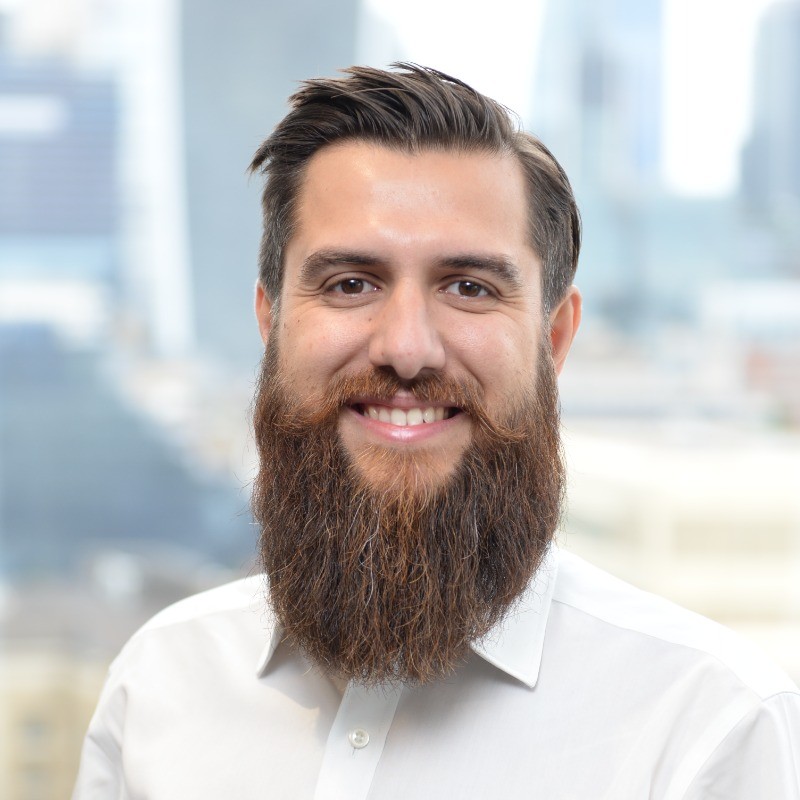
We recently caught up with Matteo Deidda, Global Net Zero Lead at Tide, in the same week that UNEP released its latest report warning that the world is on course to overshoot the 1.5°C target.
It set the context for our conversation and reinforced a point that came up throughout: the need for climate action and adaptation isn’t going away. If anything, it is becoming more embedded in the way businesses think about risk, opportunity and long-term resilience.
“Corporate advocacy towards net zero has certainly changed in recent years, but I don’t think action has diminished.”
For Matteo, sustainability has increasingly become part of the fabric of businesses, moving into their risk portfolios, processes and commercial opportunities.
“I often look at sustainability as the plumbing. The plumbing in a house isn’t always visible, but it is integral. It’s the plumbing that stays.”
Sustainability needs to be seen as part of the underlying infrastructure of a business. For more on this: explore our thinking on Perseus as infrastructure
5.5 million different challenges
Matteo has worked in corporate sustainability for the last 15 years, starting out as an energy manager before moving into broader sustainability roles. For the past seven years, he has focused more heavily on the finance sector, which he sees as a key unlock for sustainability, particularly because of its reach into the SME market.
Through working with SMEs, Matteo has understood that we can’t approach SMEs as one bucket with the same needs and goals:
“There are over 5.5 million SMEs in the UK, with a large proportion of these being microbusinesses. That’s 5.5 million businesses with 5.5 million different challenges. It’s important that we don’t think that we know best for SMEs because it’s not a one size fits all problem.”
Meeting SMEs where they are
SMEs are particularly exposed to climate-related disruption and price shocks. (Read our blog on gas price shocks and Perseus.) But helping SMEs isn’t simply about giving them more information, it means meeting businesses where they are and understanding what they actually need.
For many smaller businesses, understanding the complexities of net zero, sustainability and decarbonisation, and what this means for their business, requires time and resources that they simply don’t have.
“Even if their value system aligns with sustainability, which in many cases it does, they just don’t have the time and resources to act on it. Fundamentally, what drives them is value, and that value comes in different forms: customer acquisition, reducing cost, improving cash flow and more.”
This is where practical action and climate adaptation measures can play a central role, as these can directly lead to lower costs, increased resilience, more energy efficient buildings and more reliable access to energy.
“I think in the future we will talk more about adaptation and what that means for people and business. Heat pumps, solar panels, getting help to switch to a better energy supplier, improving building energy performance, all these things are part of the adaptation we need.”
Perseus: a framework for change
Finance isn’t the end goal for every SME; many simply aren’t at that stage. Their priorities might be understanding their data better or negotiating a better contract with an energy supplier. What Perseus offers is the shared data infrastructure that can underpin all of this.
But what Matteo truly admires about Perseus, and the work of every member involved, is its power to create material change, as it aims to unlock sustainability reporting for every UK SME.
“Perseus has managed to build a framework for change and innovation by keeping the right people at the table. There is still a lot of work to do, but it has already delivered visibility in the political, economic and business environment in the UK.”